
Planning a trek in the Annapurna region? One of the first questions every trekker asks is, “Is the ACAP permit mandatory?”
The short answer is yes. If you’re trekking anywhere in the Annapurna Conservation Area, you must carry an ACAP permit. Without it, you won’t be allowed to pass through checkpoints.
But there’s more you need to know. Let me walk you through everything, from costs to where to get it and what happens if you skip it.
Table of Contents
What is the ACAP Permit?
ACAP stands for Annapurna Conservation Area Project. It was started in 1986 to protect the natural beauty of the Annapurna region.
When you buy this permit, your money goes toward:
- Protecting forests and wildlife
- Maintaining trekking trails
- Supporting local communities
- Managing waste and pollution
The Annapurna Conservation Area is the largest protected area in Nepal. It covers over 7,629 square kilometers. So the permit helps keep this massive area clean and safe for everyone.
Think of it as your entry ticket, but one that actually does good.
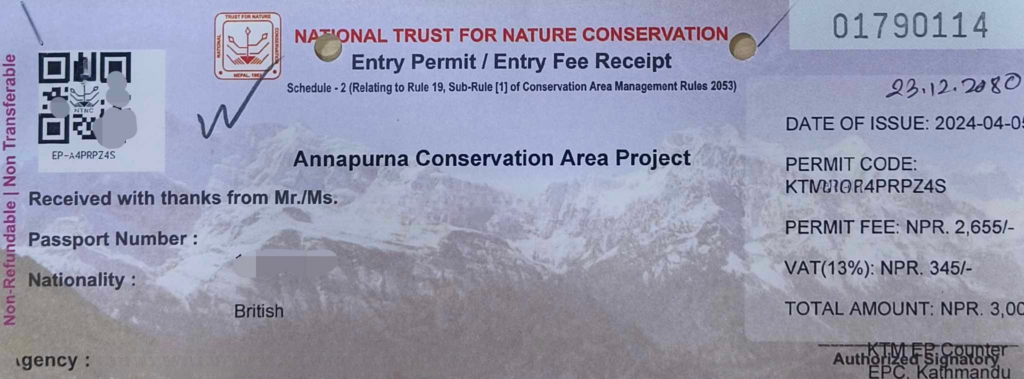
Is ACAP Permit Mandatory in 2026?
Yes, it is 100% mandatory.
Every trekker entering the Annapurna Conservation Area must carry this permit. It doesn’t matter if you’re trekking solo, with a group, or with a guide.
Here’s who needs it:
- Foreign tourists: Always required
- SAARC nationals: Required but at a lower fee
- Solo trekkers: Required
- Group trekkers: Required for each person
There are multiple checkpoints along every trail. Officers will check your permit at each one. If you don’t have it, you’ll face problems.
No exceptions.
Who Needs an ACAP Permit?
Let’s make it simple:
| Trekker Type | ACAP Required? |
| Foreign Tourists | Yes |
| SAARC Nationals | Yes |
| Nepali Citizens | No |
| Children (under 10) | Free (with guardian) |
So if you’re a foreign national or from a SAARC country, you need this permit before starting your trek.
Nepali citizens don’t need to pay for it. And children under 10 can enter free with a guardian.
ACAP Permit Cost (2025 Updated)
The fees are straightforward:
- Foreign Nationals: NPR 3,000 (approximately USD 23)
- SAARC Nationals: NPR 200 (approximately USD 1.50)
These fees go directly to conservation and community development. It’s a small price for the incredible experience you’ll get.
Tip: Always carry the exact amount in Nepali Rupees. Some offices may not accept foreign currency or cards.
Do You Also Need a TIMS Card?
This is where many trekkers get confused. TIMS stands for Trekkers’ Information Management System. It’s a separate card that tracks trekker safety.
Here’s the deal:
- If you’re trekking with a registered agency, you may need a Group TIMS card
- If you’re trekking independently, you need a Free Individual TIMS (FIT) card
- The Nepal government has made updates to these rules recently
ACAP and TIMS are two different things. You may need both depending on your trekking style.
Always check the latest government regulations before your trip. Rules can change from season to season.
Where to Get the ACAP Permit?
You can get your ACAP permit from these places:
1. Nepal Tourism Board Office
- Kathmandu: Located in Bhrikuti Mandap
- Pokhara: Located near the Tourist Bus Park
2. Through a Trekking Agency
If you book your trek through a registered agency, they usually handle the permit for you.
What Documents Do You Need?
- Valid passport
- Passport-size photo (2 copies)
- Visa copy
- Permit fee in cash
The process is quick. It usually takes 30 minutes to 1 hour during normal days. But during peak season (October–November), expect longer wait times.
Pro Tip: Get your permit in Pokhara if you can. It’s closer to the trailhead and less crowded than Kathmandu.
Which Treks Require the ACAP Permit?
Almost every popular trek in the Annapurna region requires it. Here’s a quick list:
- Annapurna Base Camp (ABC)
- Annapurna Circuit
- Ghorepani Poon Hill
- Mardi Himal Trek
- Tilicho Lake
- Nar Phu Valley (additional restricted area permit needed)
- Khopra Danda Trek
If the trail falls inside the Annapurna Conservation Area, you need the permit. Simple as that.
What Happens If You Trek Without an ACAP Permit?
This is not something you want to risk. Here’s what can happen:
- Heavy fines: You may have to pay double or more at checkpoints
- Turned back: Officers can stop you from continuing
- Legal trouble: In rare cases, you could face legal consequences
- No rescue support: Without proper documentation, getting help in emergencies becomes harder
Checkpoints are serious in Nepal. Officers keep detailed logs. Trying to sneak through is not worth it.
Just get the permit. It’s affordable and takes very little time.
Why the ACAP Permit Matters
You might wonder, why should I care about a permit?
Here’s why it matters:
Environmental Protection
Your fee helps protect forests, rivers, and endangered species like the snow leopard and red panda.
Community Support
Local villages benefit from conservation funds. Schools, health posts, and clean water projects are funded through permit fees.
Trail Maintenance
Bridges, signposts, and trail repairs cost money. Your permit fee keeps trails safe and accessible.
Trekker Safety
The permit system helps authorities track how many people are on the trail. This is crucial during emergencies and natural disasters.
So your small fee creates a big impact.
Final Words
So, is the ACAP permit mandatory? Absolutely yes. If you’re planning any trek in the Annapurna region, whether it’s the classic ABC trek, the Annapurna Circuit, or a short Poon Hill hike, you need this permit.
It costs around NPR 3,000 for foreigners and takes less than an hour to process. You can get it in Kathmandu, Pokhara, or through your trekking agency.
Don’t skip it. Don’t risk fines. And remember, your permit fee helps protect one of the most beautiful places on Earth.
Get your ACAP permit, respect the rules, and enjoy the mountains.
Frequently Asked Questions
Can I get the ACAP permit online?
Currently, no. You must apply in person at the Nepal Tourism Board office or through a trekking agency. There have been talks about online permits, but nothing has been confirmed yet.
How long is the ACAP permit valid?
The permit is valid for one entry into the conservation area. Once you exit, you’ll need a new one if you plan to re-enter.
Is the ACAP permit refundable?
No. Once issued, the permit fee is non-refundable, even if you cancel your trek.
Do I need ACAP for a short trek like Poon Hill?
Yes. Even short treks like Ghorepani Poon Hill fall inside the Annapurna Conservation Area. The permit is required.
Is a guide mandatory in the Annapurna region?
As of recent regulations, solo trekking without a guide is restricted in some areas of Nepal. Check the latest rules before planning your trek.
Can I use someone else’s ACAP permit?
No. The permit has your photo, name, and passport details. It’s non-transferable.